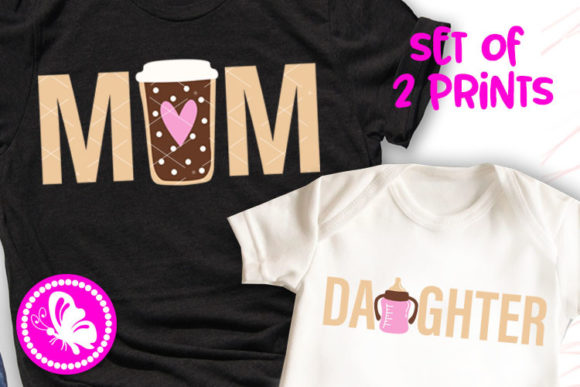
Valentine Coffee Cup Romantic Design Review
First Glance and Emotional Pull
When I opened Valentine Coffee Cup Romantic Design, the first thing that struck me was how naturally it fits the cozy, heartfelt mood that small shop owners chase every February. The composition leans into warmth, love, and a quiet morning ritual, which is exactly the kind of visual language that sells well on embroidered kitchen towels, tote bags, and personalized aprons. This is not a loud or overly complex graphic. It reads quickly, and that matters tremendously when you are planning a finished product that someone will see from across a craft fair booth or scroll past on an Etsy listing thumbnail.
The romantic tone feels genuine rather than forced. A coffee cup motif paired with Valentine accents creates a gentle crossover between everyday comfort and seasonal affection. For an embroidery designer, this crossover means the design does not get locked into a single holiday. It can live on a kitchen towel in February and still feel charming on a tote bag in October. That kind of visual flexibility is a quiet asset in a commercial embroidery library.
Where This Design Shines in Real Projects
I mentally placed Valentine Coffee Cup Romantic Design on six different products before I even loaded it into my digitizing workspace. The strongest natural fit was a linen pillow cover for a boutique client who sells farmhouse-style home decor. The design's soft thematic appeal, gentle curves, and recognizable coffee cup silhouette make it instantly giftable. A pillow cover with this design stitched in muted burgundy and cream thread would sit beautifully in a Valentine collection without screaming seasonal clutter.
Beyond pillows, the design translates well to flat, stable surfaces. I see it working on a canvas tote bag with a satin stitch outline, on a structured apron bib, or centered on a tea towel folded over a bakery display rack. The layout feels balanced, which means the design does not fight for attention. It settles into the fabric. That is a sign of a well-composed graphic. For custom apparel, a unisex sweatshirt with this design placed left chest or centered on the back would read as thoughtful and understated, exactly the kind of piece that sells through word of mouth at small shops.
One practical scenario kept running through my mind. I imagined a craft business owner preparing a limited Valentine batch of embroidered tote bags for a weekend market. She needs a design that stitches reliably, looks professional, and does not require constant thread changes. Valentine Coffee Cup Romantic Design fits that need because the visual concept is clean enough to convert into a two or three color embroidery file without losing its identity. The cup shape, the romantic accents, and the overall silhouette hold together even when simplified. That is a huge advantage when you are stitching twenty units in a single production run.
The Real Embroidery Test Nobody Talks About
Here is where I get practical. A design can look gorgeous on screen and still fall apart under a needle if certain details are too small, too dense, or too delicate for the fabric beneath it. With Valentine Coffee Cup Romantic Design, I paid close attention to the thin decorative elements and any tight inner curves. If the original graphic includes tiny heart outlines or delicate steam wisps, those need to be evaluated honestly before you digitize for a four inch hoop. Small details can turn into messy blobs on textured fabric or pucker terribly on lightweight cotton.
I strongly recommend testing this design on a scrap piece of the exact fabric you plan to use for your finished product. If you are stitching on a dark sweatshirt, check whether the thread colors hold enough contrast. A romantic design that disappears into dark fabric loses all its shelf appeal. On stretchy fabric like a baby onesie, use a quality cutaway stabilizer and run a stitch out to confirm the design does not distort during wear. These are the things that separate a handmade product that looks expensive from one that looks like a rushed craft project.
For caps and hats, I would be cautious. The design's proportions may not suit the curved, narrow sewing field of a structured cap unless you scale it down significantly and test the stitch density at that reduced size. On a flat cap front, it could work, but I would not assume it translates without adjustments. Always mock up the design on the actual product shape before committing to a client order.
Working With Fabric, Thread, and Texture
Fabric choice directly affects how Valentine Coffee Cup Romantic Design reads after stitching. On a smooth cotton tea towel, the design will likely render crisp and clean, especially with a satin stitch border. On a nubby linen blend, the edges may soften, which can actually enhance the romantic, vintage feel. On fleece, the pile can swallow fine details, so I would lean toward a slightly larger stitch size and simplify the smallest elements. On a baby blanket or nursery decor piece, the design's gentle theme fits beautifully, but the stitching must be smooth against sensitive skin. That means no rough edges, no dense fill stitch that creates a stiff patch, and careful thread selection.
Thread color is another layer of design judgment. The romantic mood of this piece invites warm tones, soft pinks, deep reds, and creamy neutrals. But I also like to test designs in a single color version, like all white on a natural linen background, to see if the silhouette alone carries the mood. For many boutique buyers, a monochrome embroidered product feels more elevated and versatile. Valentine Coffee Cup Romantic Design has enough shape recognition to work in a single color, which is a strong selling point for a machine embroidery design.
Customer Perception and Product Value
When a customer picks up a handmade item with this design, their first reaction is not about stitch count or file format. They feel the mood. A romantic coffee cup design signals warmth, comfort, and a personal touch. That emotional response translates directly into perceived value. A tote bag with a generic heart graphic feels disposable. A tote bag with a thoughtfully chosen Valentine Coffee Cup Romantic Design feels curated. That distinction matters when you are pricing products for a boutique shelf or an Etsy listing.
From a branding perspective, this design fits shops that lean into cozy, romantic, and lifestyle aesthetics. If your small business sells handmade kitchen linens, personalized gifts, or seasonal home decor, this design aligns with your existing customer expectations. Consistency in design style builds trust. Buyers return because they recognize your taste. A well-chosen embroidery file reinforces that recognition.
Preparing the Design for Commercial Use
Before you stitch this design onto anything you plan to sell, you need to confirm the licensing terms. The product description includes Illustrations and Graphics as the category and type, and lists six file formats: AI, EPS, SVG, JPG, PNG, and DXF. The canvas size is noted as 1920 pixels by 128 pixels. Those digital embroidery file assets give you flexibility, but they do not automatically confirm commercial embroidery rights. Reach out to the shop and ask directly whether the license covers finished physical products, digital product resale, or both. I never skip this step, and neither should you.
Once licensing is clear, the next step is practical preparation. Open the vector file and inspect the design at high magnification. Look for stray nodes, uneven curves, and tiny isolated shapes that could cause trims and jumps in your embroidery machine. Clean up the artwork before digitizing. A well-prepared vector file saves hours of frustration later. The provided AI and EPS formats are especially useful for embroidery digitizing software because they preserve scalable paths. Use them. The JPG and PNG versions are helpful for mockups and product previews, which I rely on heavily when listing on Etsy or sharing client proofs.
A Real Scenario That Sticks
Let me paint a picture of how I would use Valentine Coffee Cup Romantic Design in a real project. I have a client who runs a small coffee shop and also sells a tiny collection of branded merchandise on a rack near the register. She wanted a Valentine piece that felt personal, not corporate. I suggested a natural canvas tote bag with this design embroidered in a deep espresso brown thread, paired with a small heart accent in muted rose. The coffee cup motif tied directly to her shop identity. The romantic element made it seasonal. The bag sold out in ten days.
That project reinforced something I already knew. The best embroidery designs are not just pretty. They are relevant. They connect to the product, the customer, and the moment. Valentine Coffee Cup Romantic Design has that connective quality. It belongs on a kitchen towel hanging in a cozy home, on a pillow cover gifted to a best friend, on a baby onesie for a Valentine photoshoot, and on an apron worn by someone who loves slow Sunday mornings with a warm mug in hand.
Watching Out for the Tricky Spots
Every design has areas where things can go wrong if you are not paying attention. For this design, watch the junction where the cup handle meets the body. On a small hoop size, that intersection can get crowded, and stitches may overlap in a way that creates a raised, rough spot. If you are scaling the design down for a patch or a baby bib, test the handle area first. Adjust the stitch angle or reduce the density slightly to keep the embroidery flat and smooth.
Also, if the design includes any small lettering or tiny decorative dots, check them on textured fabric. A looped terry cloth towel will swallow tiny details faster than you think. On a kitchen towel, I would enlarge the design slightly or simplify the smallest elements. On a smooth cotton pillow cover, the same details might stitch beautifully. Context changes everything. Test on the real product, not just on stabilizer alone.
Stitching It All Together
After spending real time evaluating Valentine Coffee Cup Romantic Design from a maker's perspective, I see it as a solid, versatile, and emotionally smart addition to a craft business library. It is not trying to be everything at once. It knows its mood, and it leans into that mood with confidence. For an embroidery designer, that is a relief. You get a design that stitches well, sells well, and does not require constant troubleshooting.
For Etsy sellers, small shop owners, and creative entrepreneurs who want to offer personalized gifts and handmade products with a romantic, cozy feel, this design earns its place. It suits flat goods beautifully, works with limited thread palettes, and appeals to a broad customer base without feeling generic. That is a combination worth investing in.
As always, test first. Check your hoop size, your stabilizer, your fabric, and your thread. Confirm licensing. Then stitch with confidence. Valentine Coffee Cup Romantic Design is ready to become something real, something tangible, and something that makes a customer smile the moment they see it.