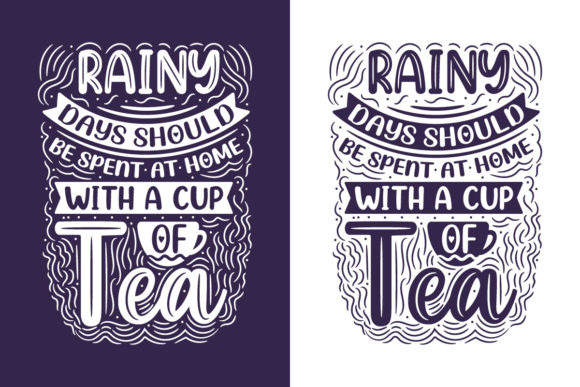
Rainy Days Should Be Spent at Home with a Cup of Tea
First Glance: A Design That Feels Like a Quiet Afternoon
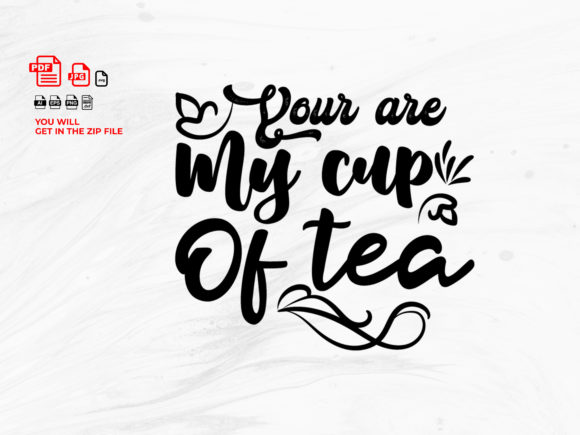
When I first opened Rainy Days Should Be Spent at Home with a Cup of Tea, I immediately felt the mood it was trying to capture. There is something undeniably cozy about the phrase itself. It speaks to the kind of slow, intentional living that resonates deeply with customers who love handmade products, boutique gifts, and personal touches in their home decor. The design carries a gentle, welcoming personality that does not shout for attention but instead invites someone to pause and smile. As a designer who has tested hundreds of embroidery designs on real garments and home textiles, I look for pieces that hold emotional weight. This one does.
The visual shape of the lettering, the balance between the words, and the overall layout suggest a piece that would sit beautifully on a linen pillow cover, a kitchen towel hanging near the kettle, or a soft cotton tote bag used for library trips on drizzly mornings. The mood is nostalgic, warm, and slightly whimsical without being childish. That is a difficult balance to strike, and this design manages it with ease. For anyone building a product line around comfort, home, or self-care themes, this design fits naturally into that story.
How the Design Holds Up in Real Embroidery Projects
When evaluating Rainy Days Should Be Spent at Home with a Cup of Tea for actual stitching, my mind goes straight to fabric choice and thread behavior. The text-focused nature of this design means stitch clarity is everything. If the lettering is too small or too tightly spaced, embroidery thread can blur the details, especially on textured fabrics like terry cloth or waffle weave. From what I can see in the provided files, the composition appears well-spaced, giving each word room to breathe. That spacing is critical for embroidery because thread has physical thickness that digital lines do not show. A design that looks perfect on screen can become a muddy mess on fabric if the lettering is too condensed.
I would recommend testing this design on a medium-weight cotton or linen blend first. Those fabrics hold stitches beautifully and do not stretch or distort under the needle the way knits or thin materials might. The included EPS, SVG, DXF, PNG Transparent, and JPG file formats give you flexibility for digitizing, but remember that the embroidery-ready version will need proper digitization with attention to stitch type selection. For a design like this, a combination of satin stitch for the main lettering and running stitch for any delicate decorative accents would preserve the elegant feel while keeping the stitch count manageable.
Choosing the Right Product for This Design
After years of testing embroidery designs on everything from baby onesies to denim jackets, I have learned that matching a design to the right product is half the battle. Rainy Days Should Be Spent at Home with a Cup of Tea naturally belongs on items that evoke comfort and home. A heavyweight cotton apron with this design stitched near the chest pocket would appeal to home bakers and tea lovers. A set of embroidered tea towels with this phrase could become a bestselling gift item during the holiday season. Tote bags are another strong candidate because the flat surface allows for clean stitching, and the design's message aligns perfectly with the idea of carrying books, tea, and quiet comforts.
For apparel, I would lean toward relaxed-fit sweatshirts or cozy cardigans rather than fitted t-shirts. The phrase carries a lounging-at-home energy that feels authentic on soft, oversized garments. A crewneck sweatshirt with this design embroidered in a warm cream or muted gold thread on a deep forest green or charcoal fabric would look stunning. The contrast would be enough to make the lettering crisp without losing the gentle mood. On baby items, a small version of this design on a nursery blanket or a soft cotton swaddle would charm new parents, though you must ensure the stitch density is adjusted for delicate baby skin.
Fabric and Hoop Size Considerations
One of the most common mistakes I see in embroidery projects is forcing a design into a hoop size that is too small. When lettering compresses, the stitches become dense and the fabric can pucker or the thread can snap. Before committing to a final product, check the dimensions of Rainy Days Should Be Spent at Home with a Cup of Tea against your available hoop sizes. If the design is meant for a standard 4x4 hoop, the lettering must be large enough to remain legible. If the text becomes too fine, the embroidery loses its professional look and customers will notice. I always advise testing the design on scrap fabric at the intended size before running a batch on expensive blanks.
Stretchy fabrics like jersey knits present another challenge. The design's text-heavy nature means any shifting or distortion during hooping will be immediately visible. Use a cutaway stabilizer for knits and a quality tearaway or washaway stabilizer for woven fabrics. Dark fabrics require careful thread color selection. A design that looks soft and vintage on a light background can disappear on navy or black if the thread is too thin or too dark. I often test my designs in black and white mockups first to see if the contrast holds up. If the design loses readability in grayscale, it will likely struggle on dark fabrics without a lighter thread choice.
Thinking Like a Small Business Owner
From the perspective of an Etsy seller or craft fair vendor, Rainy Days Should Be Spent at Home with a Cup of Tea offers strong commercial potential. The design taps into a lifestyle niche that customers actively seek out. Cozy, bookish, tea-loving, homebody aesthetics are not fleeting trends. They represent a genuine emotional connection that buyers are willing to pay for. A handmade product featuring this design tells a story, and storytelling is what separates a forgettable item from a beloved purchase. When a customer picks up an embroidered pillow cover with this phrase, they are not just buying fabric and thread. They are buying the feeling of a rainy afternoon, a warm mug, and permission to slow down.
For boutique branding, this design could serve as a signature piece across multiple product categories. Imagine a small shop offering a matching set of an embroidered tea towel, a tote bag, and a zip pouch, all featuring this same phrase in coordinating thread colors. The visual consistency builds brand recognition and encourages multiple-item purchases. The design also works well for personalized gifts. Adding a small monogram or a simple floral accent next to the text would elevate the piece without competing with the main message.
Where to Use This Design Carefully
Not every product is a good match, and knowing where to hold back is part of professional design judgment. I would avoid placing Rainy Days Should Be Spent at Home with a Cup of Tea on heavily textured fabrics like thick terry cloth robes or bumpy canvas unless the design is digitized specifically for those surfaces. The lettering could lose its crisp edges, making the embroidery look amateurish. Curved surfaces like baseball caps are also tricky. The text layout is likely horizontal and linear, which means it would bend awkwardly across a cap's crown. A patch version might work better for hats, allowing you to embroider on flat fabric and then attach the finished patch to the curved surface.
Thin or sheer fabrics present another challenge. The stitch density required for readable text embroidery often overwhelms lightweight materials, causing puckering or visible backside stitching. If you want to use this design on a delicate blouse or a lightweight scarf, consider a freestanding lace or applique approach instead of direct embroidery. Items that require frequent washing, such as dish towels used daily, need durable thread and a secure stitch structure. Check the design's stitch density and consider using polyester embroidery thread for better wash-fastness compared to rayon.
Practical Steps Before You Stitch
Every professional embroiderer knows that preparation prevents costly mistakes. Before you even thread your needle, open the design files and inspect the details carefully. The availability of EPS, SVG, DXF, PNG Transparent, and JPG formats is helpful for mockups, digitizing, and product previews, but you must confirm that the design is properly scaled and digitized for your embroidery machine's requirements. Check the stitch count, the number of color changes, and the overall stitch sequence. A well-digitized design will have a logical stitch order that minimizes trims and reduces thread breaks.
Test the design on the exact fabric you plan to use for your finished product. Do not test on a different weight or weave and assume the results will transfer. Fabrics behave differently under tension, and what looks flawless on quilting cotton may pull and distort on a French terry sweatshirt. Document your stabilizer choice, thread colors, and machine settings so you can replicate success across a production run. If you plan to sell finished products featuring this design, confirm the licensing terms. The designer should clearly state whether commercial use of finished items is permitted, and if any attribution or restrictions apply.
Why This Design Earns a Place in Your Collection
After evaluating Rainy Days Should Be Spent at Home with a Cup of Tea from multiple angles, I believe it is a strong addition to any embroidery designer's library. The theme is universally appealing, the mood is distinctive, and the practical applications are varied enough to support multiple product types. The design does not rely on trends that will fade in six months. It connects to something timeless, the simple pleasure of being home with a warm drink while rain taps against the window. That emotional resonance translates into products that customers genuinely cherish and gift to others.
For embroidery designers, small business owners, crafters, and creative entrepreneurs, this design offers a foundation to build upon. Whether you stitch it exactly as provided or adapt it with personal touches, the core message remains strong. The key to success is thoughtful execution. Choose the right fabric, test your digitizing, respect the hoop size limitations, and present the finished product with packaging that reinforces the cozy, heartfelt mood. When you get those details right, a simple phrase becomes a product that customers remember and return to buy again.