My Cup of Happy: A Designer's Honest Review for Embroidery Projects
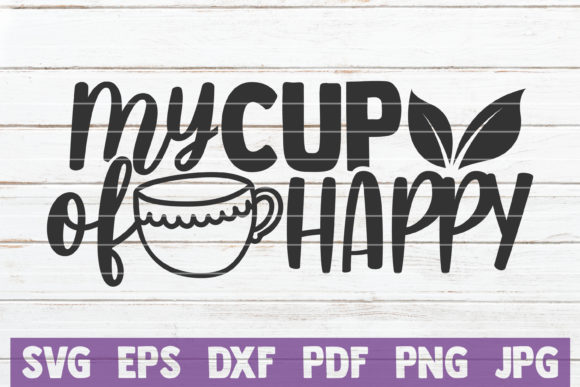
I have reviewed hundreds of embroidery designs over the years, and I can usually tell within the first few seconds whether a file will actually earn its place in my stitch library or just sit there collecting digital dust. When I opened My Cup of Happy, I felt that rare little spark, the kind that makes you mentally scroll through your blank product inventory before you have even hooped a single piece of fabric. This design has a warmth to it, a cheerful, cozy personality that feels like a morning coffee and a handwritten note rolled into one visual statement.
The mood is unapologetically uplifting without tipping into saccharine territory. The shape holds its own, the theme reads clearly, and the overall composition suggests someone actually thought about how this would look after thread hits fabric. That is not always a given with digital design assets, and embroidery designers who have been burned by gorgeous screen graphics that turn into stitch nightmares will know exactly what I mean.
What My Cup of Happy Actually Feels Like Before You Stitch
There is a certain kind of design that makes you smile before you even convert it. My Cup of Happy does exactly that. The visual personality is warm, inviting, and reassuringly simple in the best possible way. It does not try to shout over other elements on a garment, and it does not rely on overly intricate details that would collapse under stitch density. Instead, it communicates a clear, friendly message that I can already picture resonating with customers browsing an Etsy shop, a craft fair table, or a boutique rack.
From a design judgment standpoint, the layout feels balanced. The theme is versatile enough to cross over between everyday joy, self-care vibes, and giftable sentiment. I appreciate that the concept does not lock me into a single season or holiday, which means I can use this across multiple product launches throughout the year without it feeling dated or out of place.
Where This Design Naturally Belongs
Let me walk you through the first real project that popped into my head when I studied My Cup of Happy. I was preparing a small batch of custom embroidered tote bags for a spring market, the kind of lightweight canvas totes that people grab for farmers' market runs, bookshop trips, and casual everyday carry. This design immediately felt like it belonged on those totes. The theme is uplifting, the shape reads well at a moderate size, and the message is exactly the kind of quiet positivity that makes someone pause and pick up a product.
Beyond tote bags, I can see My Cup of Happy working beautifully on sweatshirts and crewnecks, especially those soft, brushed-fleece styles that have become staples in handmade apparel shops. It would also feel right at home on a kitchen towel set, a pillow cover for a reading nook, or an apron for someone who genuinely enjoys their time in the kitchen. The design carries enough personality to stand alone on a simple garment without needing extra decorative elements, which is a huge plus for small business owners who want clean, professional-looking finished products.
For baby and nursery projects, the gentle, cheerful tone makes it a natural fit for baby clothes, nursery decor, tiny blankets, or even a personalized gift for a baby shower. For holiday gifts, it leans into the gratitude and warmth that people love during the giving season, without being explicitly seasonal, which means the recipient can enjoy it year-round. I would also consider it for boutique branding, where a shop owner might want a signature embroidery style on their packaging pouches, thank-you gifts, or staff aprons.
The Real-Life Stitch Test You Should Run
Before I commit any design to a paying client's order or a batch of inventory, I run through a mental checklist of potential trouble spots. For My Cup of Happy, the first thing I would do is test it on scrap fabric, preferably the exact fabric and stabilizer combination I plan to use for the final product. I cannot stress this enough. A design that stitches beautifully on medium-weight cotton canvas might behave completely differently on a stretchy sweatshirt fleece or a thin, loosely woven tea towel.
Thread color contrast deserves serious attention here. The design's cheerful personality depends heavily on how well the colors pop against the fabric background. I would test it on both light and dark fabrics, and I would absolutely run a black-and-white mockup to see if the shape and message still read clearly when color is stripped away. If the design loses its legibility in grayscale, it might struggle on certain fabric colors or under certain lighting conditions at a craft fair display.
Stitch density is another factor I always inspect. Designs with tight, dense fills can pucker lightweight fabrics, cause thread breaks, or simply feel stiff and uncomfortable against the skin on a sweatshirt. I would want to check whether the satin stitches lay smoothly, whether the fill stitches have a reasonable density for the intended fabric, and whether any running stitch details are fine enough to add charm without becoming fragile after repeated washing.
Small Hoop Sizes and Tricky Fabrics
If you are planning to use My Cup of Happy on a cap, a baby onesie, a narrow apron strap, or a small patch, hoop size becomes a real constraint. I would advise you to confirm the design's dimensions and your machine's smallest comfortable hoop before assuming it fits. Scaling down a design too aggressively can turn delicate details into muddy blobs of thread, and what looked charming at four inches might become illegible at two.
Textured fabrics like terry cloth, waffle weave, or heavily napped fleece can swallow fine details. Curved surfaces like caps and hats require careful hooping, the right stabilizer, and often a design that has been specifically digitized or adjusted for that contoured shape. Stretchy fabrics, thin fabrics, and layered garments all demand extra attention to prevent puckering, misalignment, or distortion. Dark fabrics present their own challenge, especially if the design relies on subtle color gradients or thin outlines that might disappear against a deep background.
How This Design Affects Your Product Value and Customer Trust
When I evaluate a design like My Cup of Happy for my craft business, I am not just thinking about whether it stitches out cleanly. I am thinking about how it makes the finished product feel. A design that looks cheerful, professional, and thoughtfully chosen can elevate a simple blank tote into a gift someone is genuinely excited to give. That emotional response builds customer trust, encourages repeat purchases, and strengthens your brand's reputation for quality and taste.
The giftability factor here is high. The message is universally positive without being overly personal, which means a customer can confidently buy it as a gift for a friend, a coworker, a teacher, or a family member without worrying about mismatched tastes. Recognition is also strong, the theme is clear at a glance, which matters immensely when someone is scrolling through dozens of Etsy listings or scanning a crowded market booth.
For digital product sellers who create printable mockups or design previews, the included file formats offer solid flexibility. The download includes a DXF file, a PDF file, an SVG file, a PNG file at 300ppi with a transparent background, a JPG file, and an EPS file. That range covers most common workflows for embroidery digitizing, mockup creation, and graphic design integration. I appreciate the transparent PNG for layering over product photos without needing to manually remove backgrounds, and the SVG and EPS formats are essential for anyone who needs to scale or edit the design in vector software before digitizing.
What You Should Confirm Before Selling Finished Products
I always remind fellow makers and small shop owners to confirm the licensing terms before using any design in commercial embroidery projects. Just because a file downloads cleanly does not automatically mean you can stitch it onto products and sell them. Check whether the license covers personal use, commercial use, or both, and understand any limitations on quantity, product type, or digital resale. This is not legal advice, just practical experience from someone who has seen too many crafters get caught off guard.
Also, confirm the details that matter most to your specific embroidery machine setup. The product description for My Cup of Happy does not specify exact stitch count, recommended hoop dimensions, or machine format compatibility, so you will need to verify those aspects yourself during the digitizing or conversion process. A test stitch on the intended fabric with the intended stabilizer and thread colors will tell you more than any product description ever could.
Practical Designer Notes for a Smooth Workflow
Here is my honest, battle-tested advice for anyone planning to use My Cup of Happy in real embroidery projects. Test the design on scrap fabric first, always. Check thread color contrast against your actual fabric, not just your screen. Review the stitch density and adjust if your digitizing software allows it. Confirm your hoop size accommodates the design at the scale you want. Inspect any small details or lettering after the test stitch to make sure they read clearly and will hold up to washing and wear.
Use proper stabilizer for your fabric type. A cutaway stabilizer for stretchy knits, a tearaway for stable woven fabrics, and a water-soluble topper for textured or napped surfaces can make the difference between a professional finish and a puckered mess. Test the design in black and white to see if it still communicates clearly. Compare how it looks on light and dark fabric backgrounds. If you are selling finished products, present them beautifully, clean photography, good lighting, and a clear product description that matches the cheerful, cozy mood of the design itself.
For craft business owners, Etsy sellers, and handmade shop owners, My Cup of Happy brings a genuine warmth that I believe will connect with buyers who are looking for something simple, heartfelt, and well-made. It is the kind of design that makes a product feel intentional rather than generic, and that intention is what customers remember long after the purchase. Whether you are stitching it onto a tote bag, a sweatshirt, a patch, a pillow cover, or a baby gift, this design has the potential to become one of those quiet, steady sellers that keeps your embroidery machine humming and your customers smiling.