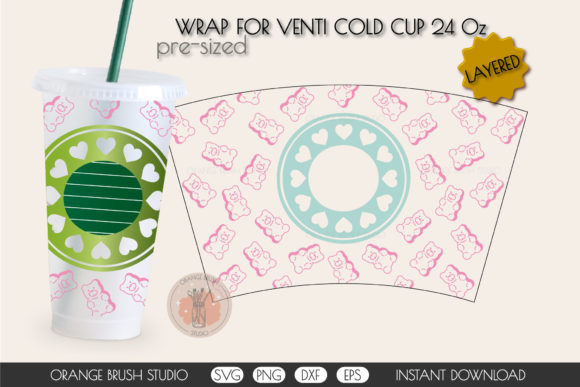
Jelly Bears Valentine s 24 OZ: Graphics & Crafts Review
When a new seasonal asset lands in my download folder, I do not look at it with starry eyes. I look at it the way a customer would. Would they click? Would they buy the finished product? Would they leave a five-star review and come back for more? Those are the questions I asked myself when I first previewed Jelly Bears Valentine s 24 OZ. This design sits at a sweet intersection of Valentine's Day charm and everyday coffee obsession, and that combination alone makes it worth a closer look for anyone selling digital downloads, printable files, or print-on-demand merchandise.
What I noticed immediately was the mood. The design has a playful, slightly whimsical personality without tipping into juvenile territory. The jelly bear motif brings a soft, nostalgic sweetness, while the 24-ounce tumbler format anchors it firmly in the coffee-lover and gift-giving niche. It practically whispers, I am cute enough for Valentine's Day, but cool enough for year-round use. That kind of cross-seasonal flexibility is gold when you are building a product catalog that needs to earn beyond a single holiday window.
First Impressions and Visual Personality of the Design
Opening the file, I saw a graphic that understands its audience. The jelly bears are rendered with a handmade, decorative feel that would appeal to crafters, Cricut users, and sublimation designers alike. It is not overly complex or cluttered, which matters when you are scaling a design down for a sticker or up for a tote bag print. The color palette leans into Valentine's reds, pinks, and soft neutrals, but there is enough restraint that it does not scream "disposable seasonal decor." Instead, it reads as a commercial design asset with warmth and personality.
For the seller who curates a brand around small business branding and handmade aesthetics, this asset brings a lot of visual storytelling potential. The design feels feminine and festive, yet grounded enough to sit comfortably on a product mockup next to minimalist or modern farmhouse items. That balance is harder to find than most people realize.
Who Is This Design Actually For?
Before I ever list a product, I think about the buyer. For Jelly Bears Valentine s 24 OZ, the audience is surprisingly broad. Coffee lovers who want a seasonal tumbler. Valentine's Day shoppers hunting for something that is not covered in roses and cursive. Crafters building cute gift bundles for friends, coworkers, or teachers. Parents making holiday classroom treats. And of course, the print-on-demand seller who needs a reliable, versatile graphic that works across mugs, shirts, and tote bags without requiring hours of repositioning.
The product description captures this dual appeal perfectly. It asks whether you love Valentine's Day or simply enjoy a good cup of coffee, and then tells you the design belongs in your collection either way. That is a smart positioning move. It opens the door for two distinct buyer types who might otherwise scroll past a strictly romantic or strictly coffee-themed listing.
Practical Product Applications for Etsy Sellers and Print-on-Demand Shops
When I test a graphic design asset like this, I run it through a mental checklist of product types. Here is where Jelly Bears Valentine s 24 OZ shows real strength:
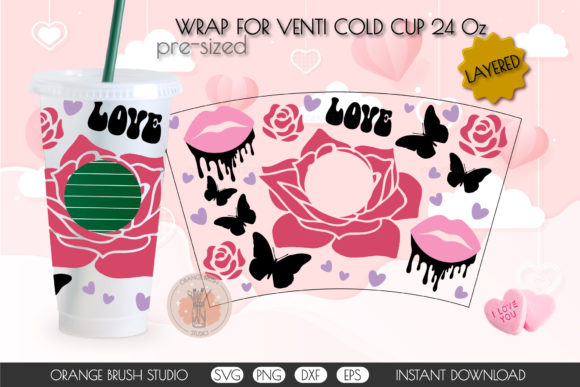
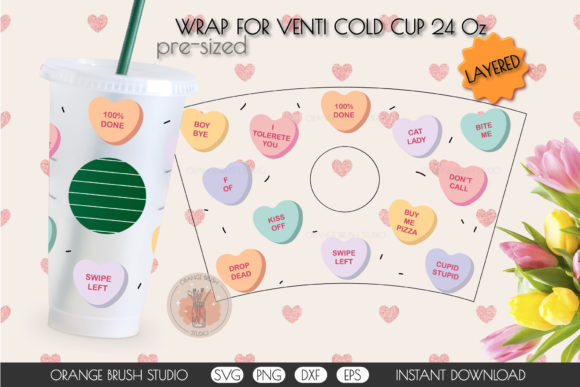
- Tumbler wraps — The 24-ounce sizing is specific, and that specificity is a selling point. Customers searching for a wrap that actually fits their tumbler will find this design purpose-built for their needs.
- Sublimation designs — The art style transfers beautifully onto mugs, tumblers, and drinkware. The colors hold up well on mockups, and the composition does not require tricky alignment.
- Printable greeting cards — A scaled-down version of the jelly bear motif would make a charming Valentine's card, especially when paired with a warm handwritten font.
- T-shirt graphics — The design has enough visual weight to work on a chest print or a pocket placement without feeling lost on fabric.
- Tote bag prints — For a seasonal gift shop or a Valentine's market pop-up, this graphic on a canvas tote would catch eyes at a craft fair.
- Sticker designs — With proper sizing and clean cutting lines, individual jelly bear elements could become sticker sheets, planner stickers, or laptop decals.
- Canva templates — For template sellers, this design could anchor a social media graphic, a party invitation, or a blog header image for Valentine's content.
- Scrapbooking kits and digital paper packs — The decorative, handmade quality of the illustration fits naturally into papercraft and memory-keeping niches.
What I appreciate most is that the design does not try to do everything. It knows its lane and executes well within it. That makes it a safer investment for a digital product creator who needs assets that perform predictably across platforms like Etsy, Creative Fabrica, Shopify, and even Amazon Merch.
Product Presentation and Mockup Strategy
One of the fastest ways to increase perceived value in a creative marketplace is through strong mockup presentation. With Jelly Bears Valentine s 24 OZ, I would build listing images around warm, cozy settings. Think a white ceramic mug on a wooden table, a pink tumbler on a marble countertop, or a flat lay with conversation hearts and a steaming latte. The design's playful personality invites that kind of lifestyle staging.
For thumbnail appeal, I recommend zooming in on the most recognizable part of the design — the jelly bear faces — and letting that anchor the main listing image. A busy thumbnail kills click-through potential. A clean, emotionally resonant close-up invites it. I have tested this principle across hundreds of listings, and it holds true every time. A design with strong focal points, like this one, gives you the flexibility to crop without losing meaning.
When creating product mockups, test the design on both white and dark backgrounds. Some designs disappear on a dark mug; others lose contrast on a bright white t-shirt. Running that quick visual check before publishing can save you from customer complaints about print quality. I also recommend testing how the design reads at thumbnail size on a phone screen. If a customer cannot tell what the product is within one second of scrolling, you have already lost the sale.
Where the Design Performs Best
After testing this asset across multiple mockup scenarios, I found it excels in a few specific contexts:
- Large product previews — The detail in the jelly bear illustration shines when given room to breathe. Full-bleed tumbler wraps, tote bags, and wall art prints all benefit from the generous scale.
- Themed bundles — Pairing this design with coordinating patterns, solid color backgrounds, and complementary clipart creates a design bundle that feels cohesive and premium.
- Decorative layouts — The whimsical nature of the art lends itself to layered compositions with flowers, hearts, and confetti-style accents.
- Seasonal collections — For a shop launching a Valentine's line, this design anchors the collection with a recognizable character that can appear across multiple product types.
- Social media promos — Bloggers and content creators can use the graphic to build eye-catching pins, Instagram posts, and Facebook ads that feel on-brand and festive.
Where Caution Is Needed
No design is universal, and an honest review means flagging the limitations. For Jelly Bears Valentine s 24 OZ, here is where I would exercise extra care:
- Tiny sticker details — If you shrink the full design down to a one-inch sticker, some of the finer details may blur or become unrecognizable. Isolate key elements instead of using the full composition at miniature scale.
- Overly complex layouts — Adding this graphic to an already busy template with multiple text layers, borders, and competing visuals will weaken the overall impact. Let the design hold its own space.
- Low-resolution print products — Always verify the file resolution before printing on large-format items. A pixelated jelly bear is nobody's idea of a premium product.
- Crowded thumbnails — Squeezing the full design into a tiny Etsy thumbnail without a clear focal point reduces click-through rates. Crop with intention.
- Dark backgrounds — Depending on the file type and transparency, the design may need a light backing layer to maintain contrast on black or navy products.
- Text-heavy templates — If you are creating a planner page or an invitation with extensive written content, the graphic should play a supporting role, not compete for attention.
- Clean cutting lines for Cricut or Silhouette projects — If the design is provided as an SVG design, verify that the cut paths are clean and free of stray nodes before sending it to a cutting machine. A poorly optimized cut file leads to frustrated crafters and negative reviews.
Testing the Design Before Publishing a Listing
My workflow for any new digital download asset follows a repeatable pattern, and I recommend the same approach to anyone selling online. Start by pulling the design into your preferred software and placing it on at least three different product mockups. For this particular asset, I would test a tumbler, a mug, and a greeting card. Check how the colors translate on screen. Print a sample if you sell physical products. Look at the design at full size, at thumbnail size, and on a mobile device.
Next, verify the file formats. If you received a PNG design, confirm the background is truly transparent. If an SVG is included, inspect the layers and cut lines. For a sublimation design, check the resolution at the intended print dimensions. A 24-ounce tumbler wrap requires specific sizing, and a mismatch will frustrate customers who expect a ready-to-press file.
Organization matters too. When I prepare a design asset for resale, I name files clearly, include a simple instruction sheet, and structure folders so customers can find what they need without digging. A confused customer is a refund waiting to happen. A confident customer is a repeat buyer.
Font Pairing Notes for Template Sellers
If you plan to add text to this design — for a greeting card, a social media template, or a product listing overlay — the font you choose will shape the entire mood. Based on my testing, Jelly Bears Valentine s 24 OZ pairs well with a few distinct typography styles:
- Serif fonts — A soft, rounded serif adds a touch of elegance without losing warmth. Good for invitation templates and printable wall art.
- Sans serif fonts — A clean, modern sans serif keeps the design feeling fresh and approachable. Works well for mug designs and casual apparel.
- Script fonts — A flowing script amplifies the romantic, Valentine's feel. Use sparingly for headlines or names on personalized products.
- Handwritten fonts — A playful handwritten style mirrors the whimsical energy of the jelly bears. Ideal for kids' products, classroom decor, or fun sticker sets.
- Display fonts — A bold, chunky display font can turn the design into a statement piece for a t-shirt or tote bag.
The key is contrast. The jelly bear illustration has a soft, organic quality. A font that is too geometric or severe may clash. A font that is too thin may disappear. Test at least three options before committing to a final product listing.
Commercial Licensing and Sellable Product Considerations
Before you list a single product featuring this graphic, confirm the commercial license terms. Does the license allow for print-on-demand sales? Can you use the design on physical merchandise you sell? Are there restrictions on the number of units or the platforms where you can sell? These questions are not optional. I have seen too many shops face takedown notices or legal headaches because they assumed a license covered more than it actually did.
If the license is clear and permits commercial use, this design becomes a versatile design asset for a wide range of finished products. But always keep records. Screenshot the license terms. Save the receipt. If you ever need to verify your usage rights, you will want that documentation within easy reach.
Building a Seasonal Collection Around the Design
One of the smartest moves a digital seller can make is to build a themed collection rather than a single isolated product. With Jelly Bears Valentine s 24 OZ, the opportunities for bundling are strong. You could create a matching set of tumbler wraps in different sizes. You could design coordinating greeting cards, gift tags, and wrapping paper. You could build a Canva template pack for Valentine's social media content, all anchored by the same jelly bear illustration style.
Bundles increase average order value. They also improve brand consistency across your shop. When a customer sees a cohesive visual story, they perceive higher quality and greater professionalism. That perception translates directly into trust, and trust translates into sales.
Final Seller Notes on Jelly Bears Valentine s 24 OZ
After spending time with this design, testing it across mockups, and thinking through its commercial applications, I can say this is a strong seasonal asset with genuine crossover appeal. The playful jelly bear character, the Valentine's warmth, and the coffee-lover connection give it a niche that is specific enough to attract targeted searches but broad enough to support multiple product types.
For Etsy sellers preparing a Valentine's collection, for print-on-demand creators looking to expand their tumbler wrap library, and for crafters who want a cute, polished graphic for Cricut projects or scrapbooking kits, this design earns its place. It is not trying to be everything to everyone, and that restraint is exactly what makes it useful. A good commercial design knows what it is. This one knows.
Test it on your own mockups. Check the colors. Verify the license. Organize the files. And if it passes all those checks, you may have found a design that brings in sales long after the Valentine's candy has been cleared from the shelves.