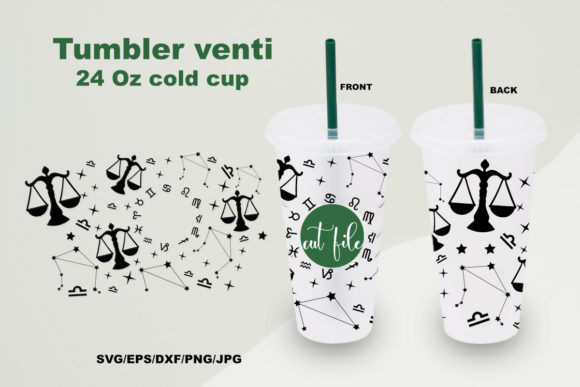
Evaluating the Tumbler Venti Librai Seamless Wrap Design
A Design That Feels Like a Cozy Coffee Shop Visit
When you open an embroidery design for the first time, you’re looking for a vibe. The Tumbler Venti Librai Seamless Wrap Svg gives me that immediate, welcoming feel of a favorite café. It’s not just a graphic of a cup; it’s a full, seamless wrap with a distinct library and coffee theme that suggests leisure, comfort, and a personal ritual. The layout is balanced, not overly cluttered, which tells me it’s designed to be a focal point without overwhelming the fabric. For embroidery, this is a promising start. It has a visual personality that’s both nostalgic and modern—perfect for the kind of handmade product that feels special, not generic.
Where This Design Naturally Belongs in Your Projects
I immediately picture this on a canvas tote bag for a book-loving customer, or centered on a heavyweight sweatshirt. The theme lends itself beautifully to items meant for comfort and daily use. Think about a custom apron for a home baker, a cozy pillow cover in a reading nook, or a tea towel in a kitchen that values that morning coffee moment. As a professional, I’m also considering its potential for small shop merchandise. This isn’t a flash-in-the-pan trend graphic; it’s a lifestyle design. It would sit well on Etsy listings for personalized gifts, or as part of a boutique’s line of embroidered apparel where the brand story is about quiet enjoyment and personal style.
Performance in Real-World Embroidery Situations
Moving from the screen to the hoop is where you truly judge a machine embroidery design. Here’s my practical thinking on where the Tumbler Venti Librai Seamless Wrap Svg would shine and where you’ll need a careful approach.
On stable, medium-weight fabrics like cotton twill for tote bags, quilted cotton for pillow covers, or a good quality sweatshirt fleece, this design should stitch out cleanly. The seamless wrap nature means it’s likely intended as a larger, central motif, so I’d plan for a generous hoop size. On a baby blanket or a knit hat, however, you must consider fabric texture and stretch. The likely satin stitch borders and fill stitch areas in the cup design need proper stabilizer to prevent puckering on thinner or stretchy bases.
For dark fabric, thread color contrast is paramount. The design’s mood relies on its details—the implied book stacks and coffee elements. If you stitch this in low-contrast colors on a navy background, you risk losing that charming detail. Always test on scrap fabric first. A real-life scenario I often face: a client wants this on a black baseball cap for a coffee shop employee. The curved surface and dark ground require extra stabilizer and a deliberate choice of bright, contrasting thread colors to maintain the design’s clarity and appeal.
Where to Exercise Extra Caution
Be mindful of small hoop sizes. Trying to shrink this seamless wrap design down for a tiny patch might compress the details too much, making small lettering or intricate corners blur into dense stitch areas. Also, consider products that need frequent washing, like kitchen towels or aprons. A design with a lot of stitch density can feel stiff after many washes if not paired with the right fabric and stabilizer combo. For commercial embroidery projects where consistency is key, testing across multiple garment types is a non-negotiable step before committing.
The Impact on Your Product’s Value and Customer Trust
How a design stitches out directly affects customer trust. A crisp, well-executed embroidery of the Tumbler Venti Librai Seamless Wrap on a tote bag elevates it from a simple craft to a desirable handmade product. The design’s inherent charm increases the giftability of the item—it feels thoughtfully chosen, not random. For creative entrepreneurs, this consistency in output helps build a brand. If your shop specializes in literary or cozy themes, this design fits that narrative perfectly, making your portfolio look cohesive and professional.
From a buyer engagement perspective, this design tells a story. It engages a specific customer—the reader, the coffee enthusiast, the person who values quiet moments. That connection makes your finished product more memorable and can lead to higher engagement in your Etsy listings or craft fair booth. It’s a design asset that, when executed well, reinforces the perceived quality of your entire craft business.
Essential Designer Notes Before You Hoop It
- Always test on scrap fabric first. Use both a light and a dark piece of your intended material to judge thread color needs.
- Review the stitch density in your software preview. Areas that look very solid on screen might become overly dense in embroidery, affecting the fabric’s drape.
- Confirm your hoop size can accommodate the design as intended. A seamless wrap likely needs space.
- Inspect the small details in a black and white mockup. This helps you see the pure structure without color influencing you.
- Use proper stabilizer for your chosen fabric. This is especially critical for textured or stretchy fabrics.
- Crucially, check the licensing. The product is a digital embroidery file in the Crafts and Graphics category. Before selling finished items or using it in commercial embroidery projects, confirm the included license terms for commercial use. This is a fundamental step for digital product sellers and small business owners.
- Remember, this is an SVG file. Ensure your embroidery machine software can cleanly import and process it, checking for any necessary conversions to your specific machine format.
In the end, the Tumbler Venti Librai Seamless Wrap Svg strikes me as a design with strong practical potential for a wide range of projects. Its aesthetic is clear and appealing, and with careful preparation regarding fabric choice, stabilization, and licensing, it can become a reliable part of your embroidery project repertoire, whether for personalized gifts or for building your small shop product line. It feels like a design meant to be stitched, used, and appreciated.